Panorama Plants: Fresh Typography for Modern Design
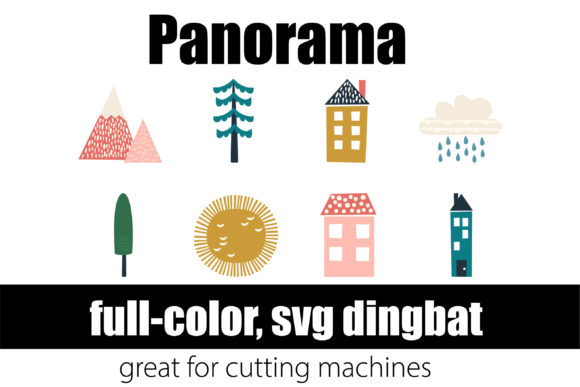
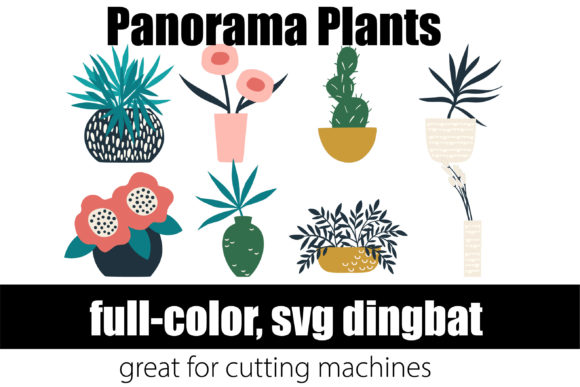
Imagine infusing your designs with the vibrant, organic energy of a curated indoor garden, instantly elevating your visual communication with a touch of modern warmth. This is the creative potential unlocked by Panorama Plants, a full-color SVG font that transforms standard typography into a dynamic design element. Moving beyond static letterforms, this innovative asset allows graphic designers to craft headlines, logos, and decorative text that are both playful and professionally polished, aligning perfectly with contemporary Scandinavian-inspired aesthetics.
Understanding the Technical Edge
Panorama Plants is an OpenType full-color (SVG) font. Unlike traditional fonts, it contains embedded color data, allowing each character to display multiple hues and gradients. This technology is a game-changer for visual design, as it merges the scalability of vector typography with the richness of illustration. Installation is straightforward—it functions like any standard .otf file, managed through your system's native tools like FontBook on Mac or the Control Panel on Windows. It's crucial for designers to note that color fonts render as solid black in non-compatible software. However, when used in supporting applications like Adobe Creative Suite, Silhouette Studio, Quark, or Inkscape, the full-color design comes to life the moment you type on the canvas.
Strategic Applications in Creative Projects
The true value of a specialized asset like Panorama Plants lies in its application across diverse design workflows. Its modern, botanical aesthetic makes it a versatile tool for strengthening brand identity and enhancing user engagement.
- Branding & Logo Design: Use it to create distinctive wordmarks or monograms for lifestyle, wellness, or eco-conscious brands, establishing a friendly and approachable brand identity.
- Marketing & Social Media Graphics: Craft eye-catching headlines for digital ads, Instagram stories, or Pinterest pins that stop the scroll and communicate a fresh, modern vibe.
- Website & UI Design: Apply it to hero sections, section titles, or call-to-action buttons in web design to add personality and guide visual hierarchy without compromising clean layouts.
- Packaging & Merchandise: Elevate product labels, stickers, or merchandise designs with typography that itself becomes a decorative, on-brand illustration.
- Editorial & Presentations: Bring magazine layouts, blog headers, or corporate presentations to life with engaging chapter titles or slide headings that capture attention.
Integrating Specialized Typography Effectively
When incorporating a display font like Panorama Plants, thoughtful integration is key to maintaining professionalism. First, consider readability. While perfect for short bursts of text, it should be paired with a clean, simple sans-serif or serif font for body copy to ensure optimal UX design and clarity. Second, analyze your color palette. The font's built-in colors should complement your existing brand system, not clash with it. Test it against your background colors to ensure sufficient contrast and visual harmony.
Scalability is another vital factor. As a vector-based SVG font, it will scale cleanly, but always preview it at various sizes to ensure the delicate plant details remain crisp and legible in both large print designs and smaller digital applications. Finally, use it with intent. This type of typography works best when it serves a specific creative goal—adding a burst of inspiration, conveying a specific brand personality, or creating a memorable focal point in your composition. Overuse can diminish its impact.
In the realm of graphic design, the details define the quality of the final product. Selecting creative assets that offer both aesthetic appeal and functional versatility is a mark of a strategic designer. Tools like Panorama Plants provide more than just decoration; they offer a way to embed a specific mood and visual story directly into your typographic choices. By thoughtfully evaluating such resources for their technical compatibility, visual impact, and alignment with project goals, designers can significantly enhance their creative output, ensuring every piece of communication is not only seen but felt.