The Timeless Appeal of Amish Quilt Patterns in Modern Design
In the world of graphic design, where trends can be fleeting, the search for assets with authentic character and enduring style is constant. The Amish Quilt pattern, a cornerstone of American folk art, has transcended its origins to become a powerful visual language for designers seeking to evoke warmth, craftsmanship, and a sense of handcrafted heritage. Its geometric simplicity and bold color contrasts offer a unique blend of tradition and modernity, making it a versatile tool for contemporary visual communication.
Understanding the Amish Quilt Aesthetic
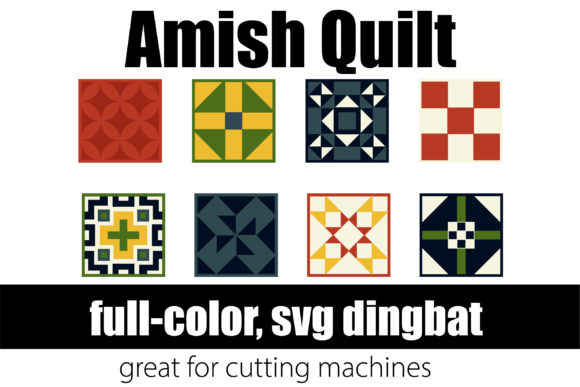
Rooted in a tradition of simplicity and utility, Amish quilts are celebrated for their striking geometric patterns, deep solid colors, and meticulous hand-stitching. In graphic design, these elements translate into a visual style that communicates order, authenticity, and quiet sophistication. The patterns—often featuring large-scale shapes like diamonds, bars, and squares—create strong visual hierarchies that guide the eye effectively. This makes them exceptionally useful for branding projects that aim to convey values of reliability, community, and timeless quality.
Practical Applications for Today's Designer
The true power of an Amish Quilt-inspired asset lies in its adaptability. A dedicated dingbat font featuring these patterns opens up a world of creative possibilities, allowing designers to integrate this aesthetic seamlessly into various projects.
- Branding and Logo Design: Use quilt patterns as secondary graphic elements, background textures, or as the foundation for a logo mark that needs to feel grounded and authentic. They work particularly well for brands in artisanal food, handmade goods, or lifestyle sectors.
- Marketing and Social Media Graphics: Create eye-catching Instagram stories, Facebook posts, or Pinterest pins with patterned borders, frames, or background fills. The bold, high-contrast designs ensure visibility and engagement in crowded digital feeds.
- Web and UI Design: Implement subtle quilt patterns as background textures for website headers, section dividers, or button states. They add depth and interest without compromising readability, enhancing the user experience with tactile visual detail.
- Packaging and Editorial Layouts: For product packaging, quilt patterns can define shelf presence and tell a story of care and tradition. In editorial design, they serve as elegant section breaks or decorative elements that unify a publication's visual theme.
Integrating Pattern with Professional Workflow
When selecting a resource like a full-color SVG dingbat font, compatibility and usability are paramount. Modern OpenType color fonts are installed like standard .otf files, but their full-color rendering is application-dependent. They will appear in vibrant color within compatible software like Adobe Illustrator, Photoshop, Silhouette Studio, or QuarkXPress, but may show as solid black in non-supporting programs. Always test your font in your primary design tool to ensure it displays as intended before finalizing your project.
To use these patterns effectively, consider your project's color palette and visual hierarchy. The inherent contrast in Amish-style quilts makes them excellent for creating focal points. Pair them with clean, sans-serif typography to balance their decorative nature, ensuring your core message remains clear and accessible. This combination of pattern and clean type creates a professional presentation that feels both curated and approachable.
Thoughtful design is about choosing elements that communicate more than just surface-level beauty. Incorporating a motif like the Amish Quilt pattern demonstrates a consideration for story, texture, and meaning in your work. By leveraging high-quality creative assets that carry historical and cultural resonance, you can elevate your designs, strengthen brand narratives, and create visual experiences that resonate deeply with your audience, blending timeless artistry with modern digital precision.